-
March 1, 2026
-
The Group
-
Media
Preference, Standards, and the Way We Say Things.
In any private social community, the most important work is not the invitation itself. It is the atmosphere that follows it.
People do not remember your rules nearly as much as they remember how those rules made them feel, and that is why standards are not the problem. Standards are often the solution. What determines whether those standards protect the experience or poison it is the way they are communicated. Delivery matters.
In hospitality, clarity is kindness. Guests rarely resent boundaries when they are expressed with respect and applied consistently, but they do resent confusion, arrogance, and cruelty. If a community has preferences, it must express them without insults, without contempt, and without judgment. There is no place for belittling language, no place for a sneering tone, and no place for messaging that attempts to sound superior. A well-run environment does something simpler and far more effective. It explains the experience it is designed to create, the standards required to protect it, and what guests can reliably expect. Then it quietly keeps that promise with calm consistency.
Discrimination denies dignity and equal standing. Preference, in a private setting, is about compatibility, discretion, and protecting a shared atmosphere. People choose their friends, the conversations they wish to have, and the company they keep around their own dinner table every day. That is both normal and healthy. Preference becomes unacceptable only when it is delivered as rejection rather than as alignment. The very same preference can feel gracious or harsh depending entirely upon tone, wording, and intent. A thoughtful host does not posture. A thoughtful host simply explains, with respect, what is being created and why certain expectations exist.
Preference Is Not Discrimination
During a recent conversation, one of the industry’s most respected voices offered an observation that has stayed with me.
“Preference is not discrimination.”
She then added the sentence that makes the first one work in practice. “Delivery matters in indicating a preference.”
As the co-founder of SwingerZoneCentral.com, she has spent decades observing private communities and was exactly right. The issue is not whether a community has preferences. Every successful community does. The question is whether those preferences are communicated in a way that allows people to understand the experience and decide for themselves whether it is right for them. When delivery is respectful, people naturally self-select without feeling diminished. When delivery is careless, even thoughtful standards can sound like judgment, and a community loses credibility in the very moment it should be earning trust.
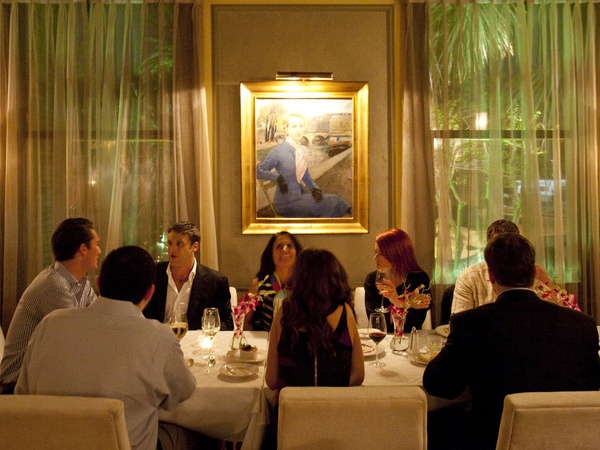
Members of The Group are typically professionals who value spending time with peers, not because they are pursuing status, but because they appreciate a certain rhythm. They enjoy rooms where people are socially fluent and emotionally steady, where discretion is treated as a basic courtesy, and where conversation has substance. When they travel, they also want to experience the very best a destination has to offer because exceptional hospitality sets a tone that encourages exceptional behavior without ever needing a lecture.
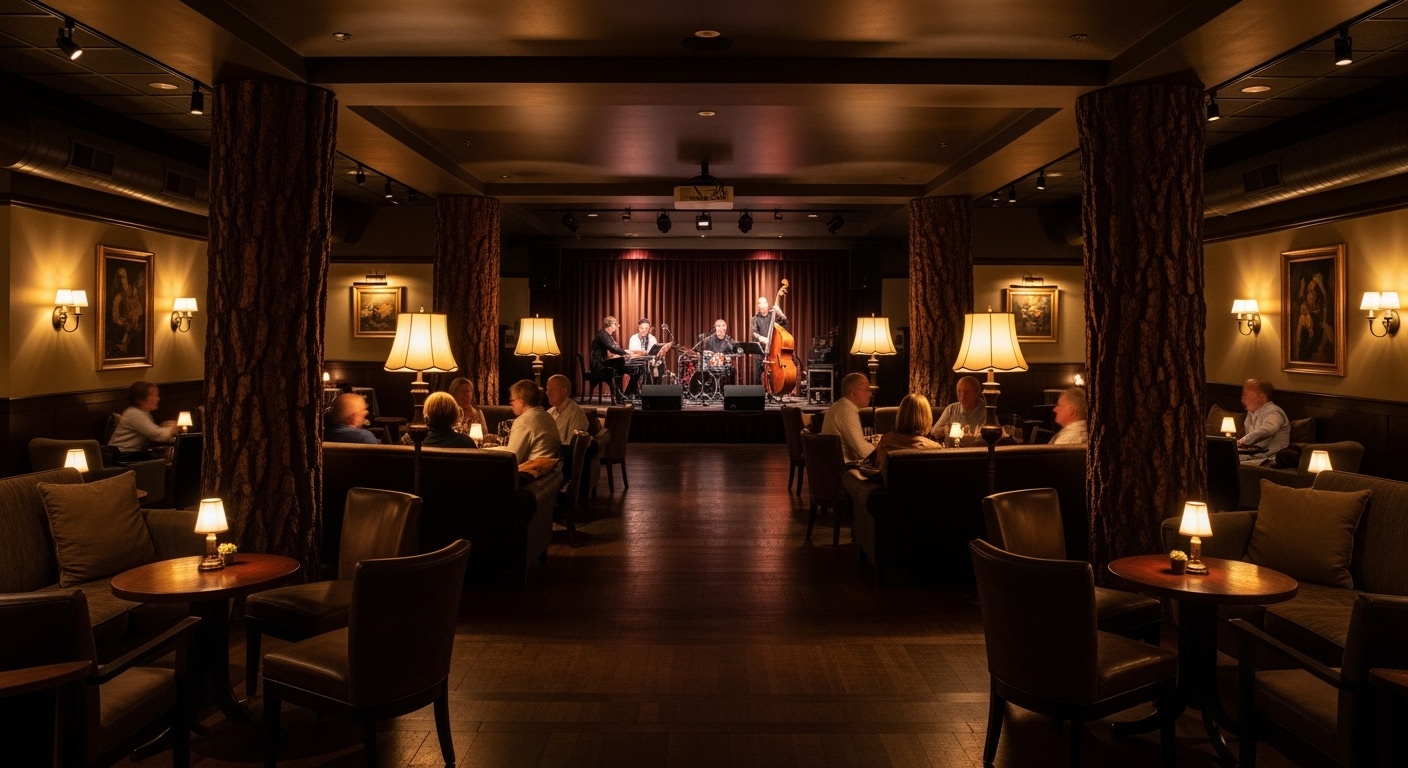
Celebrated chefs, world-class musicians, beautiful hotels, and luxurious accommodations are not decoration. They are part of the design, and design matters when you are creating experiences for accomplished adults who live full lives and want their leisure time to feel intentional. None of these elements exist to impress. They exist because exceptional environments naturally encourage exceptional behavior. The finest hotels have long understood that people often rise to the standard of the room around them, and thoughtfully curated communities are no different.
For many guests, intimacy is part of the weekend, but it is rarely the sole purpose for attending, and that distinction changes everything. When intimacy becomes the only agenda item, the atmosphere can shift toward pressure and performance. When it becomes one element within a larger hosted experience centered on hospitality, conversation, friendship, and shared adventure, something healthier happens. Relationships develop naturally, consent remains clear, and no one feels social pressure to participate beyond their own comfort level. That is more than simply a nicer atmosphere. It is a higher standard, and it is one of the characteristics that distinguishes an elegant private gathering from something that feels transactional.
Preference is not discrimination when it is rooted in compatibility, safety, and the thoughtful design of a guest experience, and when it is communicated with discipline, humility, and respect. At The Group, we are building places where accomplished, open-minded adults can enjoy exceptional hospitality, meaningful conversation, and the company of others who value discretion and genuine connection. Intimacy may be part of the experience, but it has never been the entire purpose of it.
When hospitality is intentional, standards are communicated with grace, and relationships are allowed to develop naturally, something remarkable happens. People stop talking about the rules because they simply enjoy being in the room. In the end, that has always been the objective: creating an environment where extraordinary people can relax, be themselves, and discover that the greatest luxury is not the setting. It is the company.