-
November 17, 2025
-
The Group
-
Media
Powering a Greener Future Beneath the Caribbean Sun
How The Resort Is Redefining Sustainable Luxury in Jamaica.
At The Resort, sustainability is not a trend. It is a core operating principle that informs every aspect of the guest experience. Long before environmental responsibility became an industry expectation, The Resort invested in systems that protect natural resources, support Jamaican communities, and shape a deeper and more authentic expression of Caribbean luxury.
Today, The Resort is entering its most ambitious chapter. Through the introduction of a large-scale agrivoltaic Solar Garden, expanded renewable energy generation, regenerative agriculture, clean water systems, plastic-free guest touchpoints, and a culinary program centered around fresh local sourcing, The Resort is demonstrating how nature and luxury can enhance one another.
The following is a comprehensive look at how The Resort is leading the next generation of sustainable hospitality in Jamaica.
The Solar Garden: A Landmark Project for Jamaica’s Green Future
The Solar Garden at The Resort is a multi-stage renewable energy and regenerative agriculture initiative that will position the property as one of the most environmentally advanced resorts in the Caribbean.
The project begins with a deliberate and strategic first step. A sixty-three-panel pilot system is being installed on the roof of The Resort’s new mixed-use warehouse and office building, which is currently under construction. This initial array will generate approximately 125kWh per day, totaling 45,000 kWh of clean energy per year. Just as important, it allows the engineering and maintenance teams to become fully familiar with the equipment, energy monitoring software, and electrical integration required for high-performance solar operations. It is a hands-on learning environment designed to prepare the team for the much larger Solar Garden.
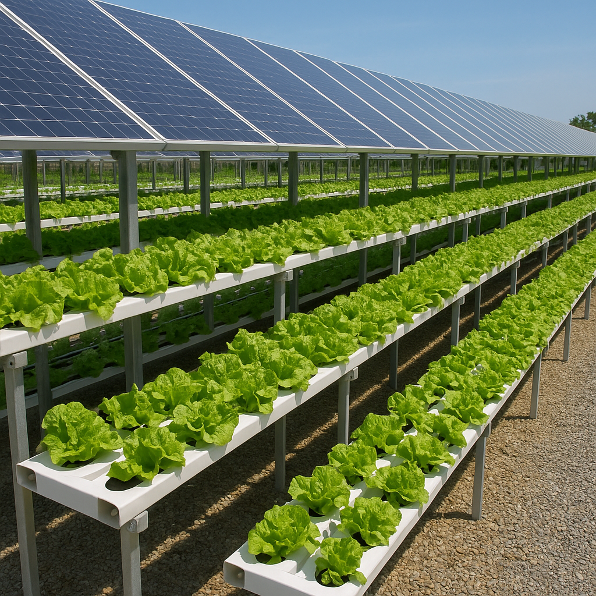
Building on this foundation, The Resort advances to Phase One: a major agrivoltaic installation comprising 1,000 elevated solar panels spanning 5 acres. The elevated design creates a canopy of filtered sunlight that produces clean power above while supporting year-round agriculture below.
The Resort then moves into Phase Two, adding 400 additional panels, bringing the complete Solar Garden system to 1,463 panels across all phases.
Together, these systems can produce more than 1.24 million kilowatt hours of solar energy each year. After adjusting for real-world performance, the Solar Garden is expected to deliver approximately 990,000 kilowatt hours annually, generating about 118 percent of The Resort’s current total electrical demand. This makes The Resort effectively energy neutral, with clean surplus energy feeding into the Jamaican grid.
The environmental impact is equally significant. The Solar Garden reduces more than 600 metric tons of carbon emissions every year, while supporting Jamaica’s national goal of achieving 50 percent renewable energy by 2030. It positions The Resort as a leader within Jamaica’s Global Green Economy framework and serves as a working model of climate-resilient hospitality.
An Elevated Solar Field That Nourishes the Land
The Solar Garden is built on a raised steel framework approximately ten feet above the ground, with each row spaced ten feet apart. This design provides filtered sunlight that protects crops from harsh midday heat, reduces evaporation, and creates a stable microclimate ideal for both hydroponic and soil-based farming. Renewable energy is generated above, while abundant agriculture grows below.
This integration of energy and agriculture makes the land more productive, more resilient, and more aligned with the rhythms of Jamaica’s natural environment.
Preparing for a Smarter Energy Future
The Solar Garden has also been designed with an eye toward a future in which Jamaica Public Service introduces a national Demand Response program. Demand Response systems are already well established in the United States, where they help stabilize electrical grids in major cities such as New York City, Chicago, and Los Angeles, as well as in smaller towns, including Westport in Connecticut, Holland in Michigan, and Portland in Maine. These programs reward businesses that can temporarily reduce their dependence on the power grid during peak usage, helping utilities prevent brownouts and manage costs.
The Resort is already preparing to participate in such a program should JPS decide to introduce one. Because The Resort can take its entire property off the grid during periods of high demand, it can help maintain grid stability across the wider community. This reduces JPS’s need to invest in costly new supply capacity and helps ensure that available power is used where it is needed most during stress events.
This approach is also a natural complement to modern metering systems, which encourage commercial properties to play an active role in strengthening the national grid. In the same way that The Resort’s reverse osmosis system reduces the strain on Jamaica’s water supply during peak periods, the Solar Garden allows The Resort to support the electrical system during times of high demand. Together, these investments demonstrate a forward-looking commitment to the resilience and long-term strength of Jamaica’s essential infrastructure.
Hydroponics and Soil Farming in Perfect Harmony
Beneath the elevated solar array, The Resort has created an agricultural ecosystem that blends hydroponic production with traditional soil farming to support year-round harvests.
- Hydroponic Farming Using Nutrient Film Technology
The hydroponic system uses nutrient film technology, in which a thin stream of nutrient-rich water flows beneath the roots of lettuces, herbs, and leafy greens. This method uses up to 90 percent less water than traditional agriculture and produces exceptional freshness for The Resort’s culinary team.
- Soil-Based Farming for Tropical Diversity
Adjacent soil beds support peppers, callaloo, ginger, tomatoes, bananas, and a variety of tropical crops that thrive with natural root depth and healthy soil. This creates a rich and diverse agricultural base that complements the hydroponic system.
Together, these methods will provide nearly all of The Resort’s fresh greens and herbs, allowing many ingredients to be served within minutes of harvest, bringing guests an unmatched level of freshness and flavor.
Raised Beds Built from Recovered Trees
The Solar Garden also incorporates a circular land stewardship practice that ensures every tree removed from the site continues to serve a purpose. When trees must be cleared during land preparation or safety management, The Resort saves all usable wood rather than discarding it. This supports two important sustainability programs.
First, The Resort continues to handcraft all its wood furniture in-house, including its signature four-poster beds. High-quality lumber is milled at The Resort’s workshop and transformed into custom furniture for guest rooms, villas, and shared spaces. This greatly reduces the need for imported furniture and celebrates Jamaican craftsmanship.
Second, wood unsuitable for furniture is repurposed for Hügelkultur, a regenerative agricultural practice in which logs, branches, and woody plant material are layered beneath raised planting beds. Over time, the wood decomposes, enriching the soil with organic matter, improving moisture retention, and creating a living nutrient reservoir. Hügelkultur mimics the natural cycles of the forest floor, where fallen trees nourish the next generation of growth.
Through this approach, every tree contributes to the environmental mission of The Resort, either by becoming handcrafted furniture or by enriching the soil that feeds the next season’s crops.
Laying Hens and a Regenerative Soil Cycle
The Solar Garden includes rotational paddocks for laying hens that move naturally through shaded orchard areas. As they scratch the earth, the hens aerate the soil, control pests, and fertilize the land. Their presence strengthens fruit yields and provides fresh eggs for The Resort’s kitchens.
Their daily movement forms part of a regenerative cycle that enriches the land without chemical inputs or mechanical disturbance.
A Closed Loop of Culinary Sustainability
All organic kitchen waste from The Resort is composted and returned to the Solar Garden. This creates a full closed loop in which leftovers become soil nutrition and enriched soil becomes future harvests. The system reduces waste, supports soil fertility, and strengthens local food resilience.
Combined with the farm’s expanding production, this system supports a more independent culinary operation and reduces reliance on refrigerated transportation and imported goods.
A New Culinary Philosophy Rooted in Local Sourcing
The Resort has already transitioned away from extensive use of frozen or imported items. Today, The Resort sources ingredients from Jamaican farmers, fishermen, and regional producers. This reduces emissions, strengthens the local economy, and provides guests with flavors that are brighter, fresher, and more reflective of Jamaica’s agricultural heritage.
As the Solar Garden reaches full maturity, even more of The Resort’s produce, herbs, fruits, and eggs will come directly from its own land.
Water That Is Clean, Conserved, and Reused
- Greywater Reuse and Sewage Processing
For more than a decade, The Resort has processed all on-site sewage and reclaimed its greywater for irrigation. This allows the property to maintain lush landscaping without drawing heavily from the local water supply.
- Reverse Osmosis Drinking Water
A new reverse osmosis purification system is being installed to produce clean, mineral-balanced drinking water on site. Guest rooms will feature this water in reusable glass bottles, sanitized and refilled at The Resort.
- Advanced Low Flow Technology
Digitally-controlled Toto Neorest toilets and water-efficient fixtures help further reduce water use without compromising comfort.
Plastic Free Guest Touchpoints
Sustainability is reflected in the smallest moments of the guest experience. Throughout the resort, It is replacing unnecessary plastics with thoughtful, renewable alternatives.
Guest-facing practices include:
- Wooden room keys and wristbands
- Nespresso coffee makers use recyclable aluminum pods that are filled on-site with world-class Jamaican Blue Mountain Coffee
- Reusable in-room glass water bottles are produced and sanitized at The Resort
Each detail reduces waste while elevating the beauty and intentionality of the guest experience.
A Clean and Quiet Arrival Experience
Beginning in 2026, guests will enjoy airport transfers in all-electric BMW i7 sedans. These vehicles will be charged directly from The Resort’s Solar Garden, ensuring every arrival and departure is powered by clean, renewable energy produced on The Resort’s own land.
The quiet and seamless drive offers an immediate sense of calm and reflects the Resort’s commitment to responsible luxury. It sets the tone for the days that follow and serves as a natural extension of the sustainability values embedded throughout The Resort.
Leadership in Climate Resilient Hospitality
The Solar Garden and its related initiatives create skilled green jobs, stabilize energy costs, strengthen the local food supply, and reduce environmental impact across every part of The Resort’s operations.
At The Resort, sustainability is not the cost of luxury. It is the expression of it.
It is how a modern resort cares for the island and the people who call it home.
Epilogue: Resilience in the Wake of Hurricane Melissa
When Hurricane Melissa struck Jamaica, it became the most powerful storm ever recorded on the island. Communities across the country faced unprecedented devastation, with many hotels and resorts announcing closures that would last for months. Yet through the force of the storm and the difficult days that followed, The Resort remained open, operational, and committed to serving both its guests and its neighbors.
Thanks to The Resort’s existing backup systems for power, water, and satellite communications, The Resort continued operating without interruption. Our team remained fully employed, our guests remained comfortable, and our neighbors found a welcoming place to connect with the outside world. The Resort provided complimentary internet and phone access to those who needed it most, along with charging stations for handheld devices when the community was without power.
During this time, The Resort also provided more than 100 complimentary meals each day to our staff and contractors. While the wider community remained dark and the water main dry, The Resort’s operational resilience allowed us to continue preparing fresh, nourishing meals and supporting our team when it mattered most.
In a moment when no one was watching and the need was greatest, The Resort stepped forward as a steady, dependable neighbor. The experience affirmed a simple truth. Sustainability is not only about long-term planning. It is about having the strength and resources to support the community when everything else fails.
The Solar Garden and the related systems described in this article are investments in that future. They ensure that The Resort can continue to operate through the unexpected, care for its staff, serve its guests, and extend a helping hand to the broader community. They are not only environmental commitments. They are commitments to resilience, responsibility, and the belief that a modern resort should be a source of strength for the community it calls home.